About Reading & Dyslexia
Learning to read requires several skills working together. When a child struggles with reading or spelling, understanding where the difficulty is occurring can help families find the right support.
10–20% of individuals in BC have dyslexia
What is dyslexia?
Dyslexia is a learning difficulty that primarily affects accurate and fluent word reading and spelling. A child with dyslexia may have trouble sounding out unfamiliar words, recognizing words automatically, spelling, or reading at an expected pace.
Dyslexia is not caused by low intelligence, poor motivation, or a lack of effort. With explicit, systematic instruction matched to their needs, such as structured literacy intervention, children with dyslexia can make meaningful progress in reading and writing.
What to watch for at home and school
Signs of dyslexia & reading difficulty.
Dyslexia can affect how children learn to read and spell. Some struggle to sound out words, while others read accurately but slowly or experience persistent spelling difficulties.
Recognising these challenges early can help families understand when additional support may be needed. Our article explores common signs, reading screening, and when to seek further evaluation.
How we can help.
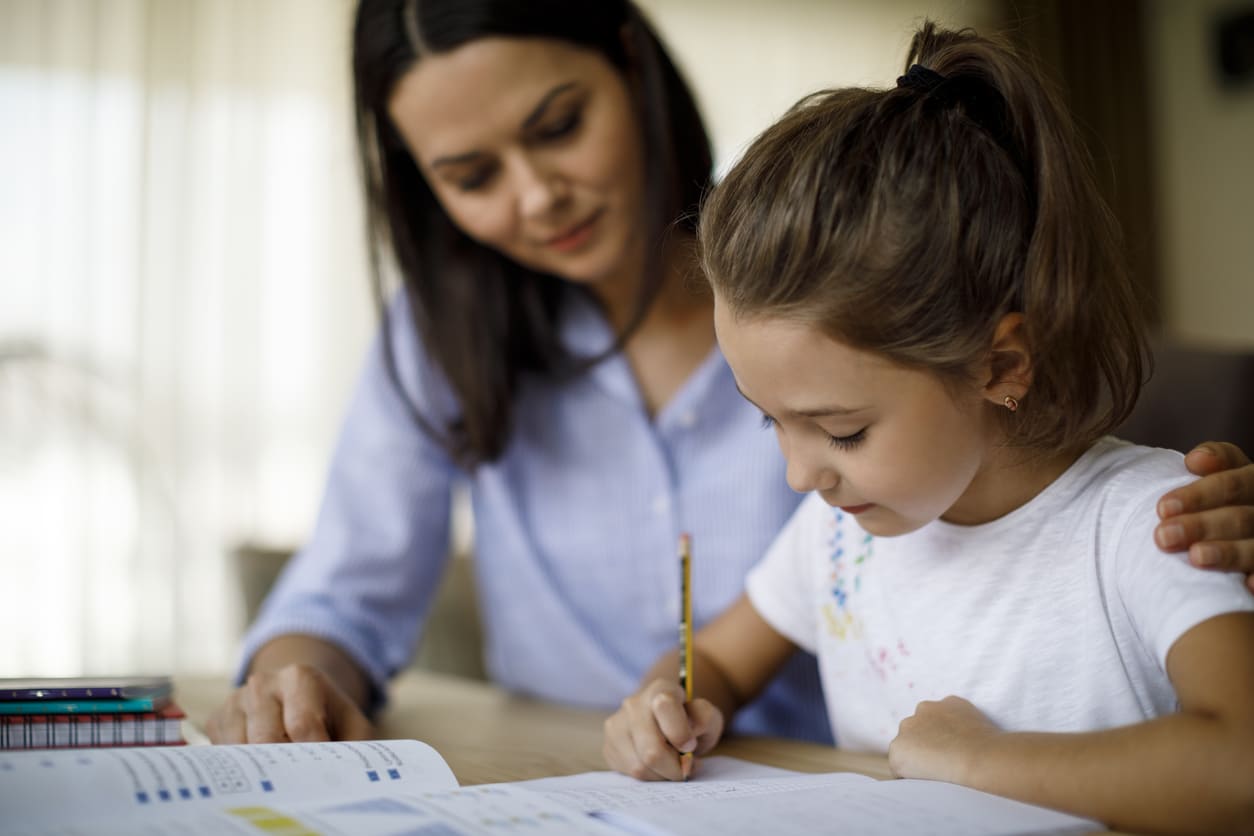
Children who struggle with reading often benefit from instruction that is explicit, systematic, and carefully matched to their needs. Structured literacy provides this type of instruction, with direct teaching of the skills needed for accurate and fluent reading.
TriPoint Autism & Literacy Education Services (TALES) provides individualized reading intervention using Orton-Gillingham (OG) principles. Instruction is explicit, systematic, cumulative, and responsive to each learner’s progress.
TALES also provides literacy consultation for families and schools seeking help understanding reading concerns, reviewing current instruction and supports, or deciding on appropriate next steps.